Your Lunch Tray Has a Salt Limit. The Next One Hits in July 2027, and Most Students Have Never Heard of It.

A single school pizza lunch can carry more than half the sodium a kid is supposed to eat in an entire day. Add a side of canned green beans, a roll, and a cup of dressing, and the tray gets saltier fast. Most students never see a number, because nobody prints it on the menu.
There is a federal limit on sodium in school meals, and a tighter one is coming on July 1, 2027. This post covers what the limit is, why salt hides in foods that don't taste salty, and how students can find out what their own cafeteria is doing about it.

The Limit Exists. It Just Isn't Posted Anywhere.
Under USDA's school nutrition standards, every lunch program has a weekly average sodium limit that depends on grade group. Right now the cap is about 1,110 milligrams per lunch for grades K-5, 1,225 for middle school, and 1,280 for high school.
Notice the word average. A district can serve a very salty lunch on Tuesday as long as the week balances out. And because the limit applies to the menu as planned, not to what any one student actually eats, it rarely shows up in a way you can check.
What Changes in July 2027
In April 2024, USDA finalized updated school meal standards. One piece of that rule cuts the lunch sodium limit by 15 percent, and the breakfast limit by 10 percent, starting July 1, 2027. For a high school lunch, that moves the cap from roughly 1,280 milligrams to a bit over 1,000.
That's a real change, but it's a gradual one. Schools have years to prepare, which means menus, recipes, and bid documents for the 2027-28 school year are being planned now. If a district waits until the deadline, students get whatever the lowest bidder can reformulate.
Why Salt Hides in Food That Doesn't Taste Salty
Most of the sodium in a school lunch doesn't come from a salt shaker. It comes from processing. Bread, cheese, deli turkey, chicken nuggets, canned vegetables, sauces, and seasoning blends all carry sodium to keep them shelf stable, hold water, or make cheap ingredients taste like something.
Sweet foods count too. Sodium shows up in baked goods, flavored milk, and breakfast pastries as leavening agents and preservatives. A cinnamon roll is not salty, but it isn't low sodium either. The ingredient list is where you find it, and the words to look for are anything with sodium in the name, plus salt, MSG, and broth.

Why Students Should Care
The CDC reports that most American kids eat more sodium than recommended, with averages well above the roughly 2,300 milligrams a day that dietary guidelines set as the ceiling for teens. High sodium intake in childhood is linked to higher blood pressure, and habits formed early tend to stick.
For students who eat both breakfast and lunch at school, the cafeteria is not a side detail. It can supply a big share of the day's intake, five days a week, for thirteen years.
How to Find Out What Your School Is Doing
Start with a simple email to your food service director. Ask for the sodium content per serving for the five most popular lunch items, and ask what the district's plan is for the July 2027 limit. Schools keep nutrient analyses for their menus, and many will share them if asked politely.
Then check the product labels. If a canned vegetable or a frozen entree runs over 600 milligrams in one serving, that's a good candidate to raise at a board meeting. Swapping one item for a lower sodium version, or for a fresh option, is often an easier win than rewriting a whole menu.
Get Ahead of the Deadline
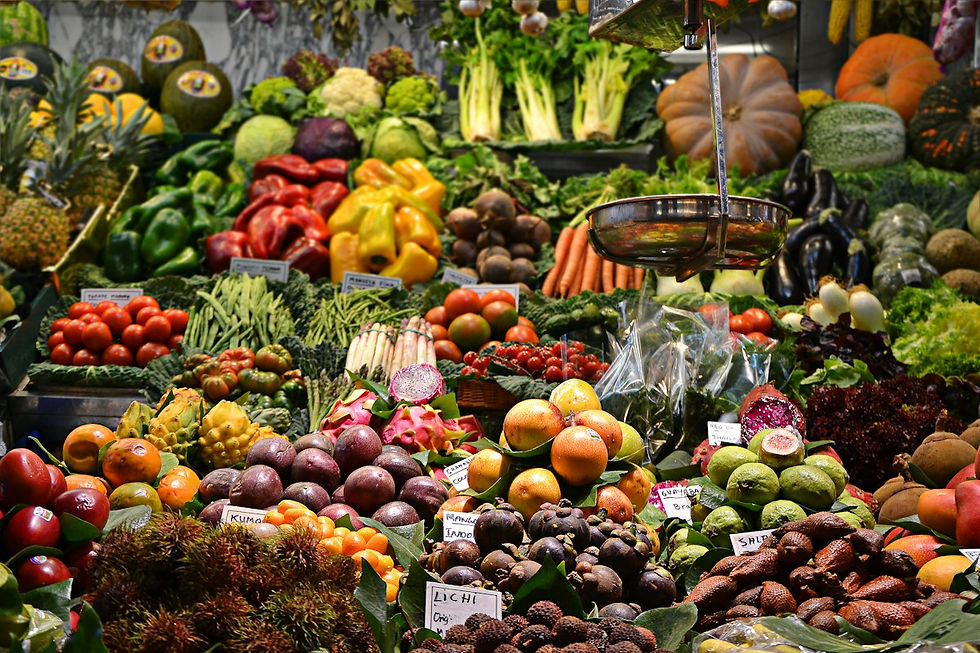
July 2027 is less than a year away. The students who ask questions this fall are the ones who shape what their district buys for next year. Fresh and lightly processed food is naturally lower in sodium, so pushing for scratch cooking and local produce helps with salt, sugar, and additives all at once.
Want help writing that email or finding students in your district who are working on this? Join the coalition at cleanlunchcoalition.org/join-us. Let's make it happen.


Comments