The Hidden Cost of Cheap School Lunches: What Families Need to Know
- Aanya Singh
- Apr 13
- 4 min read

A school lunch in the United States costs the federal government about $1.40 per meal through the National School Lunch Program. That's the reimbursement rate for a "free" lunch. After you subtract labor, utilities, equipment, and administrative overhead, the amount left over for actual food is usually somewhere between 80 cents and a dollar. That's the budget your child's school has to put a full meal on a tray.
When you understand that number, everything else about school food starts to make sense. The ultra-processed chicken patties, the canned fruit in heavy syrup, the flavored milk loaded with sugar and artificial dyes. These aren't choices driven by nutrition. They're choices driven by cost. And the real cost, the one that doesn't show up on the district's procurement spreadsheet, is being paid by the students who eat this food every day.

The economics of ultra-processed food
Ultra-processed foods are cheap to manufacture, easy to store, and have long shelf lives. For a school district feeding thousands of students daily, those are powerful advantages. A case of frozen chicken nuggets costs a fraction of what fresh grilled chicken would. Shelf-stable fruit cups last months longer than fresh apples. Powdered cheese sauce is pennies on the dollar compared to real cheddar. When your entire food budget is under a dollar per meal, those economics are hard to argue with.
But the savings are an illusion. The long-term health costs of diets built around ultra-processed food are staggering. Research published in The BMJ found that higher consumption of ultra-processed foods is associated with increased risks of cardiovascular disease, type 2 diabetes, and certain cancers. A 2022 study in the American Journal of Preventive Medicine estimated that diet-related diseases cost the U.S. healthcare system over $1 trillion annually. We're saving pennies on the lunch tray and spending billions in the emergency room.
The food industry has optimized school lunch for the wrong metrics. Shelf stability, portion cost, and ease of preparation have been prioritized over nutrient density, ingredient quality, and long-term health outcomes. That's not because cafeteria workers don't care. Most of them care deeply. It's because the system gives them no room to do better.

What students are actually eating
In many districts, a typical week of school lunches includes breaded and fried proteins three to four days out of five. Vegetables, when present, are often canned or served as starchy sides like corn and potatoes. Fresh fruit is available in some schools, but it competes with packaged options that are easier to distribute and less likely to spoil. The result is a diet that is calorie-dense but nutrient-poor, exactly the opposite of what growing bodies need.
The USDA updated its nutrition standards in 2024, reducing sodium limits and adding whole grain requirements. Those are steps in the right direction. But the standards still allow artificial dyes, sodium nitrate in processed meats, and high levels of added sugar in flavored milk and condiments. The bar has moved, but not far enough. A school lunch that technically meets federal guidelines can still contain petroleum-based food colorings, preservatives linked to health concerns, and more sugar than a candy bar.
The equity dimension
This is also a justice issue. Nearly 30 million children in the U.S. rely on school meals as their primary source of nutrition. For families living below the poverty line, the school cafeteria isn't one option among many. It's the meal their children can count on. When that meal is built around the cheapest possible ingredients, the students who need the most nutritional support are getting the least.
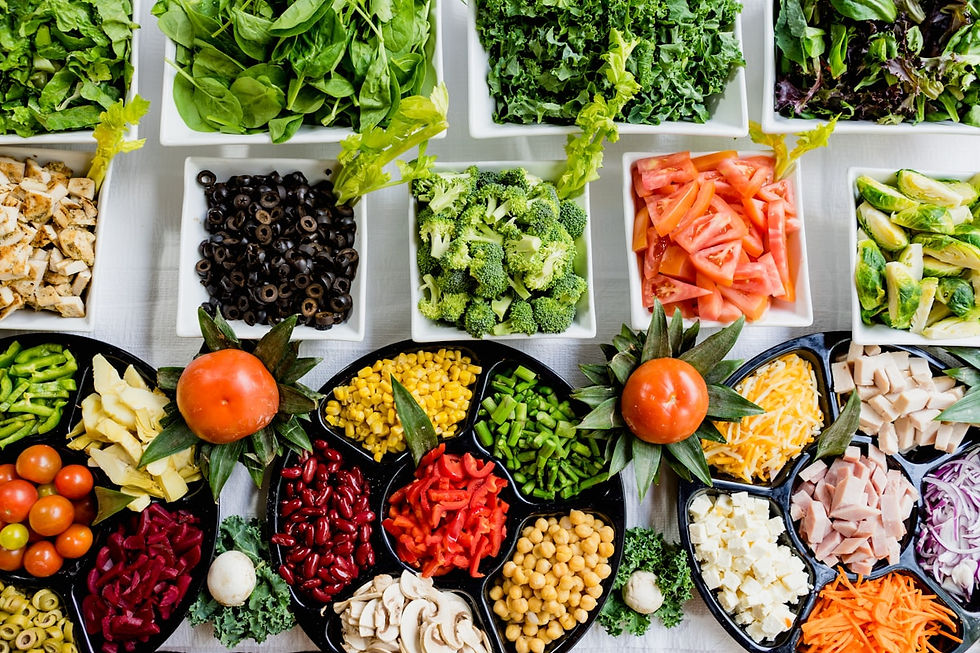
Wealthier districts can supplement federal funding with local dollars, PTA fundraising, and farm-to-school partnerships. Lower-income districts are often stuck with whatever the federal reimbursement covers. The gap between what affluent students eat at school and what low-income students eat at school mirrors almost every other inequality in American education. Kids in well-funded suburban districts get salad bars with local greens. Kids in underfunded urban districts get canned green beans and processed cheese on white bread.
This disparity isn't just about taste or preference. It has measurable academic consequences. Studies from the Journal of School Health have shown that students with better nutritional intake perform better on standardized tests, have fewer absences, and exhibit fewer behavioral issues. The lunch tray isn't separate from the classroom. What students eat directly affects how they learn.
What families can do
Start by asking your school district for its weekly menu and ingredient lists. Compare what's being served to what's being described. Attend a school board meeting and ask how the food budget is allocated. Find out whether your district has explored farm-to-school sourcing or applied for USDA grants that could supplement the per-meal reimbursement. Connect with other parents who share your concerns. Collective voices carry more weight than individual ones.
If your state has clean food legislation on the table, make a phone call to your representative. It takes less than five minutes and it matters more than most people realize. Legislators track constituent contacts, and a spike in calls about school food signals that it's an issue voters care about.
The CleanEats Coalition is building a network of families and students who believe every child deserves food that nourishes them, not just food that fills them up. If that resonates with you, join us at cleanlunchcoalition.org/join-us.


Comments